
Professional Animal Feed Pellet Machine for Horse Farms: Optimizing Equine Nutrition
Professional Animal Feed Pellet Machine for Horse Farms: Optimizing Equine Nutrition
Maintaining the health and performance of horses requires a diet that is both nutritionally balanced and physically easy to digest. For equestrian centers, breeding facilities, and private stables, investing in a high-quality animal feed pellet machine is a strategic move to ensure feed quality while reducing long-term costs.
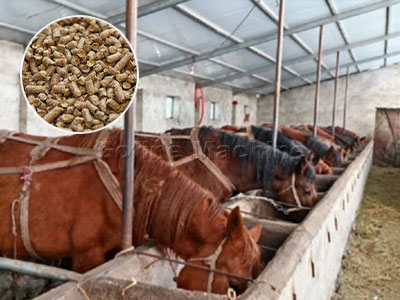
Using a dedicated horse feed pellet machine allows owners to customize formulas—incorporating specific vitamins, minerals, and fiber sources—to meet the unique needs of performance horses, seniors, or growing foals.
Why Your Stable Needs a Dedicated Feed Pellet Making Machine
Horses are sensitive eaters with complex digestive systems. Traditional loose grain mixes can lead to “selective eating,” where the horse picks out the tasty bits and leaves essential nutrients behind. A feed pellet machine solves this by consolidating the entire formula into a uniform pellet.
The Benefits for Equine Health:
Nutritional Consistency: Every bite contains the exact ratio of forage, grain, and supplements, eliminating nutrient deficiencies.
Improved Digestibility: The heat and pressure generated by the feed pellet making machine “pre-cook” the starches, making them easier for the horse’s small intestine to process.
Reduced Respiratory Issues: Pellets are significantly less dusty than loose hay or crushed grains, which is vital for preventing respiratory irritation in stabled horses.
Key Features of a High-Performance Horse Feed Pellet Machine
Equine diets often have high fiber content (such as alfalfa or timothy hay), which can be challenging for standard mills. Our animal feed pellet machine is specifically engineered to handle these high-fiber raw materials without clogging.
Technical Solutions for Horse Feed Production:
Stainless Steel Conditioning: Our machines feature a conditioning chamber where steam is introduced. This softens the fiber and ensures the pellets are durable enough not to crumble during transport.
Adjustable Pellet Size: With our feed pellet machine, you can easily swap dies to produce different diameters—from small pellets for foals to larger “nuggets” that encourage chewing in adult horses.
Low-Temperature Processing: We prioritize “warm-press” technology to ensure that heat-sensitive vitamins and probiotics in the horse feed are not destroyed during the manufacturing process.
How to Set Up a Small-Scale Feed Line for Your Farm
For many horse farms, a mini fertilizer plant or small-scale feed setup is the most efficient way to manage resources. A compact feed pellet making machine can be integrated into a simple production flow:
Grinding: Use a small hammer mill to process grains and hay into a fine meal.
Mixing: Ensure that additives like salt, electrolytes, and oils are evenly distributed.
Pelleting: The animal feed pellet machine compresses the mix into high-density pellets.
Cooling: Allowing pellets to air-dry and cool ensures they stay crisp and mold-free in storage.
Quality Engineering from a Trusted Manufacturer
As an experienced animal feed machinery manufacturer, we build our equipment to withstand the rigors of farm life. Our horse feed pellet machine is equipped with IE3 energy-saving motors and high-alloy steel dies for maximum longevity. We understand that on a horse farm, reliability is everything—which is why our machines are designed for easy cleaning and minimal daily maintenance.
Take Control of Your Horse’s Diet Today
Stop relying on expensive, generic commercial feeds. With your own feed pellet making machine, you can utilize local forage and custom supplements to create the perfect diet for your horses. Whether you need a small portable unit or a complete production line, our technical team is here to help you choose the right feed pellet machine.
📩 Contact us today for a technical consultation and a detailed price list!
Prev: How to Select a 1-10TPH Poultry Feed Pellet Production Line Next: Equipment List for Turnkey Feed Mill Project Supplier: A Professional Guide to Feed Line Specifications


 Hi, this is YAN, Want details & price?