
Ring Die vs. Flat Die: 2026 Comparison for Cattle Feed Plants
Ring Die vs. Flat Die: 2026 Comparison for Cattle Feed Plants
In the modern livestock industry, selecting the right pelleting technology is a critical decision for the long-term profitability of your cattle feed plant machinery. As of 2026, the choice between Ring die vs flat die has become a matter of industrial scale and pellet durability (PDI). For a professional cattle feed facility, understanding these mechanical differences is essential to optimizing energy consumption and nutritional quality.
Mechanical Analysis: Ring Die vs. Flat Die
The primary difference lies in how pressure is applied to the feed material.
The Ring Die System (Industrial Standard): In this design, the die is a vertical ring with rollers pressing material outward. The ring die is the preferred choice for cattle feed plant machinery because it ensures uniform pressure distribution. This results in highly consistent pellet density and significantly lower wear on parts, as the rollers travel at a constant speed relative to the die.
The Flat Die System (Small-Scale Use): Here, a horizontal disk rotates under rollers. While the flat die is easier to feed with bulky, lightweight materials due to gravity, it suffers from “skidding” at the inner and outer edges of the rollers. This leads to uneven wear and less consistent pellet quality compared to the ring die.
H2: Choosing the Right Cattle Feed Plant Machinery
When evaluating Ring die vs flat die for a commercial project, production capacity is the deciding factor.
For any facility producing over 1.5 tons per hour, Ring Die technology is the undisputed leader. It allows for advanced steam conditioning, which is vital for gelatinizing starches in cattle feed, making pellets more digestible and palatable. Furthermore, our ring dies are forged from high-chromium alloy steel (HRC52-55), ensuring they withstand the abrasive nature of mineral-rich cattle formulas.
Conversely, the flat die remains a viable, cost-effective starter solution for small farm-scale operations or experimental batches where high-volume output is not a priority.
2026 ROI: Performance and Maintenance
Industrial-grade cattle feed plant machinery must prioritize uptime. Ring die mills often feature centralized lubrication and IE3 energy-saving motors, reducing operational costs by 15–20%. While the initial investment for a ring die is higher, the lower cost-per-ton and superior Pellet Durability Index (PDI) deliver a much faster ROI for professional manufacturers.
Get Your Expert Equipment Layout
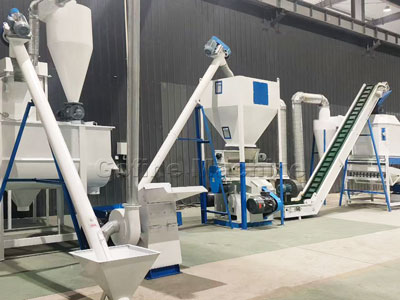
Planning a new 1-20 TPH cattle feed project? Our engineering team provides customized cattle feed plant machinery designs tailored to your specific formula. We help you navigate the Ring die vs flat die selection to ensure your facility reaches peak efficiency from day one.
📩 Contact us today for a free technical consultation and a detailed equipment quote!
Prev: How to Reduce Moisture in Animal Feed Pellets by 15%? Next: ISO9001 Certified Horse Feed Pellet Mill Machinery for Sale


 Hi, this is YAN, Want details & price?