
How to Reduce Moisture in Animal Feed Pellets by 15%?
How to Reduce Moisture in Animal Feed Pellets by 15%?
Achieving a 15% reduction in moisture is critical for extending shelf life and preventing mold growth in industrial production. High-quality animal feed quality depends on precise stabilization after the pelleting process. Utilizing ISO9001 feed machinery ensures the mechanical precision required to hit these moisture targets consistently.
Core Strategies for Feed Pellet Moisture Control
Reducing moisture requires a combination of thermal management and mechanical precision throughout the production line.
1. Thermal Stabilization via Counter-Flow Cooling
The most effective way to drop moisture levels is through a dedicated cooling stage immediately after extrusion or pelleting.
Heat Exchange: Fresh pellets leave the mill at high temperatures; using a counter-flow cooler allows for uniform heat exchange that draws out internal moisture.
Precision Timing: Adjusting the residence time in the cooling chamber can reduce moisture by significant margins, often reaching the target 12%–13% final moisture content.
2. Advanced Steam Conditioning
Controlling moisture starts before the pellet is even formed.
Dry Steam Injection: Using high-quality dry saturated steam in the conditioner ensures that the heat necessary for starch gelatinization is delivered without adding excess liquid water.
Homogeneous Mixing: Professional dual-shaft conditioners ensure that moisture is distributed evenly, preventing “wet spots” that are difficult to dry later.
Mechanical and Maintenance Factors
Beyond thermal control, the physical configuration of the equipment and regular upkeep play vital roles in maintaining animal feed quality.
3. Optimized Die Selection & Compression
Mechanical friction also plays a role in feed pellet moisture control.
Compression Ratios: Using a high-precision Ring Die with a specialized compression ratio generates enough friction heat to naturally evaporate surface moisture during the pelleting process.
VFD Control: Utilizing Variable Frequency Drives allows operators to manage the flow rate, ensuring pellets spend the optimal amount of time under pressure and heat.
4. Integrated Maintenance & Environment
Environmental factors and machine health directly impact the final product.
Airflow Management: Ensure that exhaust fans and cyclones are clear of dust; proper airflow is essential for the evaporation phase in the cooler.
Proactive Maintenance: Regular feed mill maintenance of the steam traps and spray nozzles prevents water droplets from entering the mash, which would otherwise spike moisture levels.
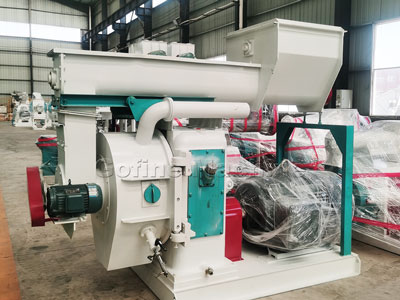
Optimize Your Feed Moisture Levels
Are you struggling with inconsistent pellet durability or high moisture? Our technical team provides customized layouts for 1–20 TPH lines, featuring advanced cooling and conditioning systems designed for maximum efficiency.
📩 Contact us today for a free technical consultation and a detailed equipment quote!
Prev: Pellet Mill vs. Feed Extruder: Which is Better for Aqua Feed? Next: Ring Die vs. Flat Die: 2026 Comparison for Cattle Feed Plants


 Hi, this is YAN, Want details & price?